
Commercial Cleaning in Columbus: A Facility Manager's Guide
A good cleaning bid should name the scope room by room. It should say how often each task gets done. It should then give one flat price for the whole scope. Anything left off that list is a gap you will manage later. Rejuv Cleaning walks your building first, then sends a flat-rate bid for the approved scope.
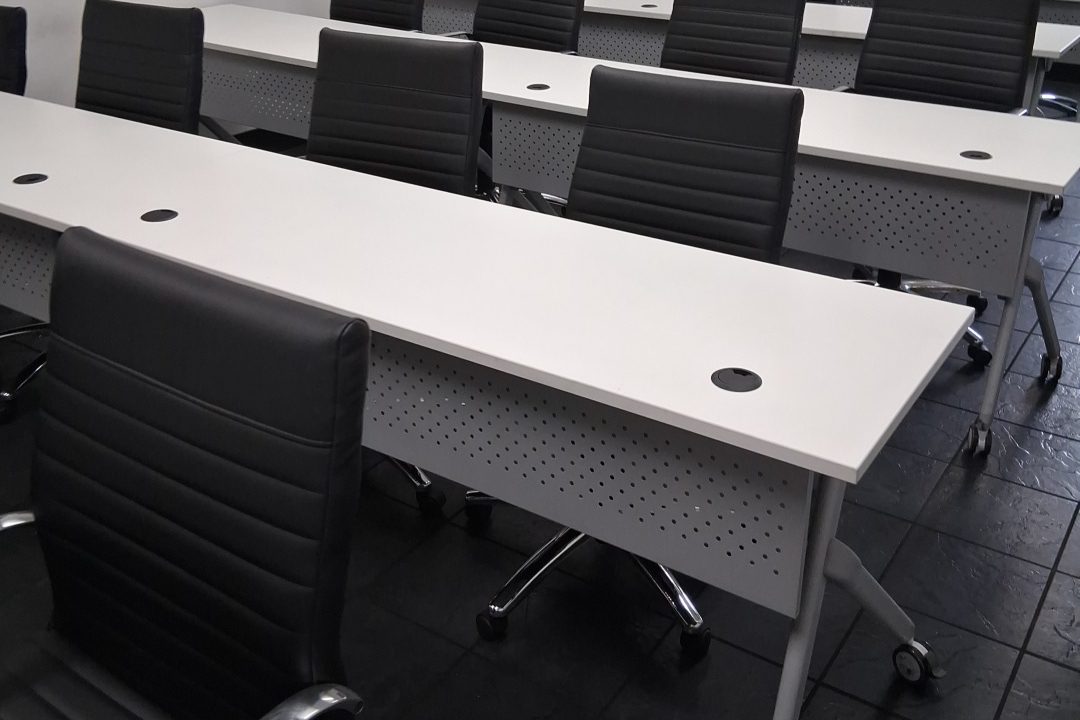
What should a commercial cleaning proposal include?
A bid is a paper you will still be reading a year from now. It has to work as an order sheet, not a sales letter.
Three things do most of that work. The scope, how often each task is done, and the price that covers both.
The scope should read room by room, or at least by zone. Restrooms, open office, private office, break room, lobby, halls, stairs and the dock each work in their own way.
For workplace-specific scope, read Office Cleaning in Columbus: A Practical Guide for Small-Business Workplaces. For the factors behind a commercial quote, read What Affects Commercial Cleaning Cost in Columbus?.
Ours is a flat rate. You see what gets cleaned, where, and how often. The approved commercial or janitorial quote identifies the included areas, tasks, frequency, price, scheduling and applicable contract term. How the work is assigned and run is ours to carry, not another line for you to manage.
You can see how we build ours on our commercial cleaning for Columbus buildings page.
Commercial cleaning or janitorial service: what is the difference?
People use the two words as if they mean the same thing. They do not, and the gap matters when you write the contract.
Janitorial means work on a set schedule, most often nightly or a few nights a week. Trash, restrooms, floors, touch points and restocking are the core of it.
Commercial cleaning is the wider term. It covers janitorial plus project work. That means floor stripping and refinishing, carpet extraction, high dusting, windows and cleanup after a build.
Many buildings need both, on two clocks. Put the set-schedule work in the contract and the project work on a calendar. Mixing them hides what you pay for. Available Rejuv Cleaning services, scheduling and specialty work are controlled by the approved commercial or janitorial quote. Our nightly janitorial plans page covers the nightly side in full.
The 8-point vendor evaluation checklist
Use this on every bid you get, ours too. It heads off the two problems that are hardest to fix later: a vague scope and a short-staffed building.
- A written scope, room by room. A scope you can read is the only scope you can enforce, and "general cleaning" is not a scope.
- How often each task is done. "Clean restrooms" with no "nightly" beside it is a wish, not a promise.
- Every area the bid covers, named. If two bids cover a different set of rooms and floors, they did not bid the same building.
- One flat price for that scope. A flat rate tells you what the work costs for the approved scope and the applicable quote or contract term.
- Quality-review process. Ask who reviews completed work, how concerns are documented and how often the agreed scope is checked.
- Applicable insurance documentation and a clear verification process. Ask what documentation applies to the work and how current coverage is verified. A claim on a website is not proof.
- Screening and access-control policy. Someone will hold access to your building after hours. Ask how cleaning professionals are screened, whether they are employees or independent contractors, and how keys, codes and badges are issued and returned.
- Term, notice period and exit clause. The easiest way out of a contract is what makes the first year of it safe to sign.
Ask for the approved scope, included areas and tasks, service frequency, scheduling terms, price, applicable contract term, documentation process and quality-review process in writing. A bid that leaves out areas or how often they are cleaned cannot be lined up against a full one.
Want your building priced the same way? Ask for a walkthrough and bid. You'll get a scope by room, a frequency by task, and one flat price.
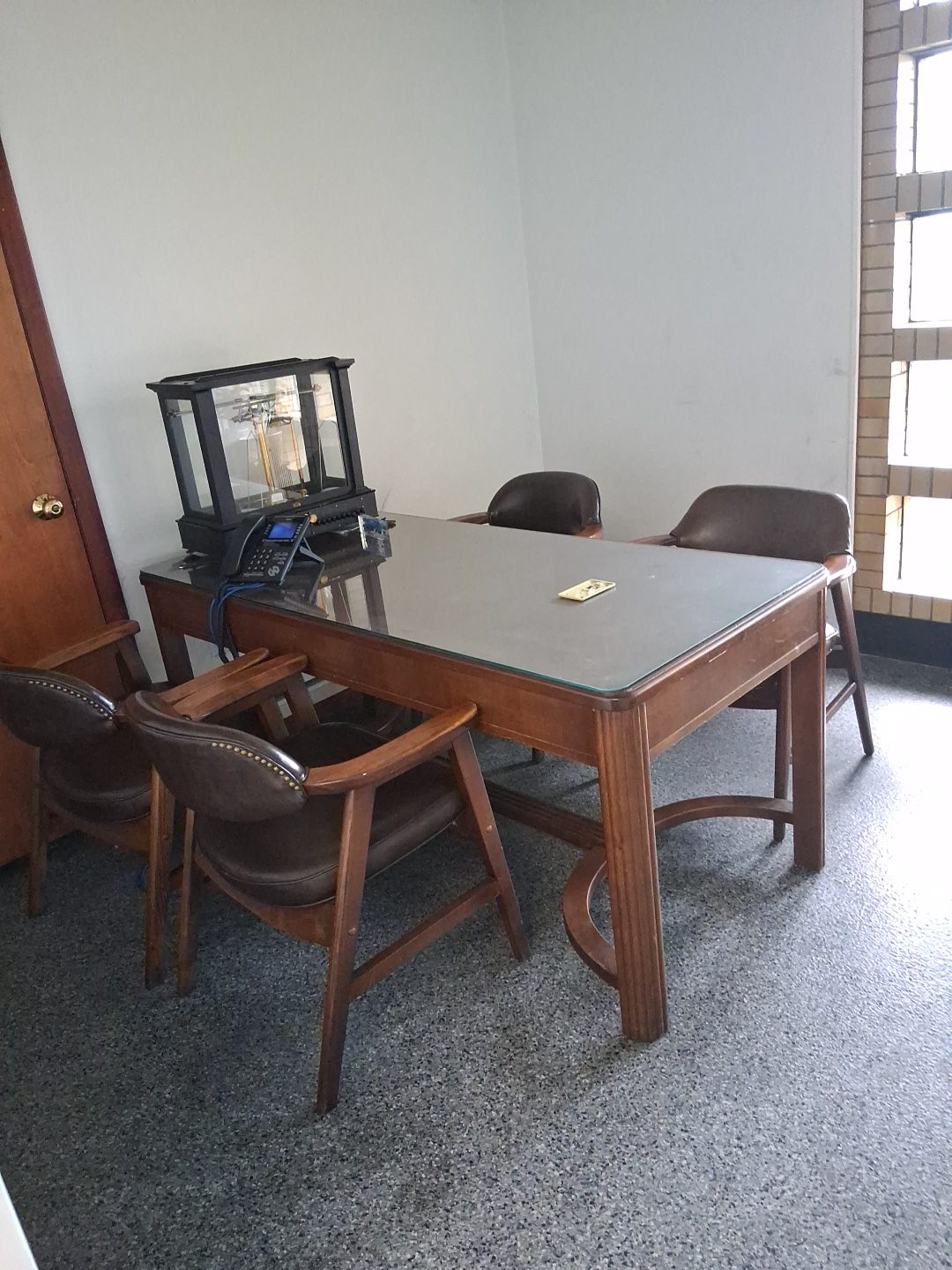
How do you compare two bids that are priced differently?
This is the hard part, and the total is the least useful number on either page. Line the two bids up before you compare a thing.
Start with the areas. Check that both bids cover the same rooms, floors and outside spaces. A gap here can explain much of the rest on its own.
Then check how often. One vendor may have priced restrooms nightly while the other priced them three nights a week. That one line can account for much of the gap.
Then count the tasks. A lower total for a shorter list is not a lower price. It is a smaller job. What you buy is the work named on the page.
Last, check what is left out. Ask about these five by name: floor refinishing, carpet extraction, high dusting, outside glass and supplies. Supplies means the paper, soap and liners the building goes through.
Should cleaning happen during business hours or after close?
After close, for many offices. Work goes faster in an empty building, and no one is pushed aside while it happens.
Day cleaning suits some buildings better than others. Clinics, schools, gyms and busy shops need restrooms and touch points seen to while people are using them.
One workable answer is a split. Nightly work runs after close, and a day porter covers restrooms, spills, trash and doorways while you are open. A day porter is one person on site by day, not a full crew.
Tell a bidder when the building is open to them before they price the work, not after. A tight window and an open one are not the same job, even on the same scope. Available Rejuv Cleaning scheduling and service scope are controlled by the approved commercial or janitorial quote.
What insurance should a cleaning vendor carry?
Ask any vendor what insurance documentation applies to the work in your building and how current coverage is verified. General liability is a reasonable starting point. What else applies depends on the vendor's structure and the people actually doing the work.
Rejuv Cleaning works with screened independent cleaning professionals. Each contractor is required to maintain their own applicable insurance coverage and provide current documentation before accepting assignments. Ask every bidder how their coverage is verified before you sign.
How do you hold a contractor to the scope?
The inspection record
Agree on a written check at a set gap, and agree who signs it. A monthly walk with a shared list catches drift before it turns into a complaint.
Score room by room, not by overall feel. Restrooms, entry glass, break rooms and floor edges are worth checking closely.
The escalation path
Write down what happens when something is missed. Name the callback time, the person who takes the call, and what happens if it repeats.
Problems here show up slowly, not all at once. Scope drift is easier to fix at month two than at month 10. A standing walk is what makes month two visible.
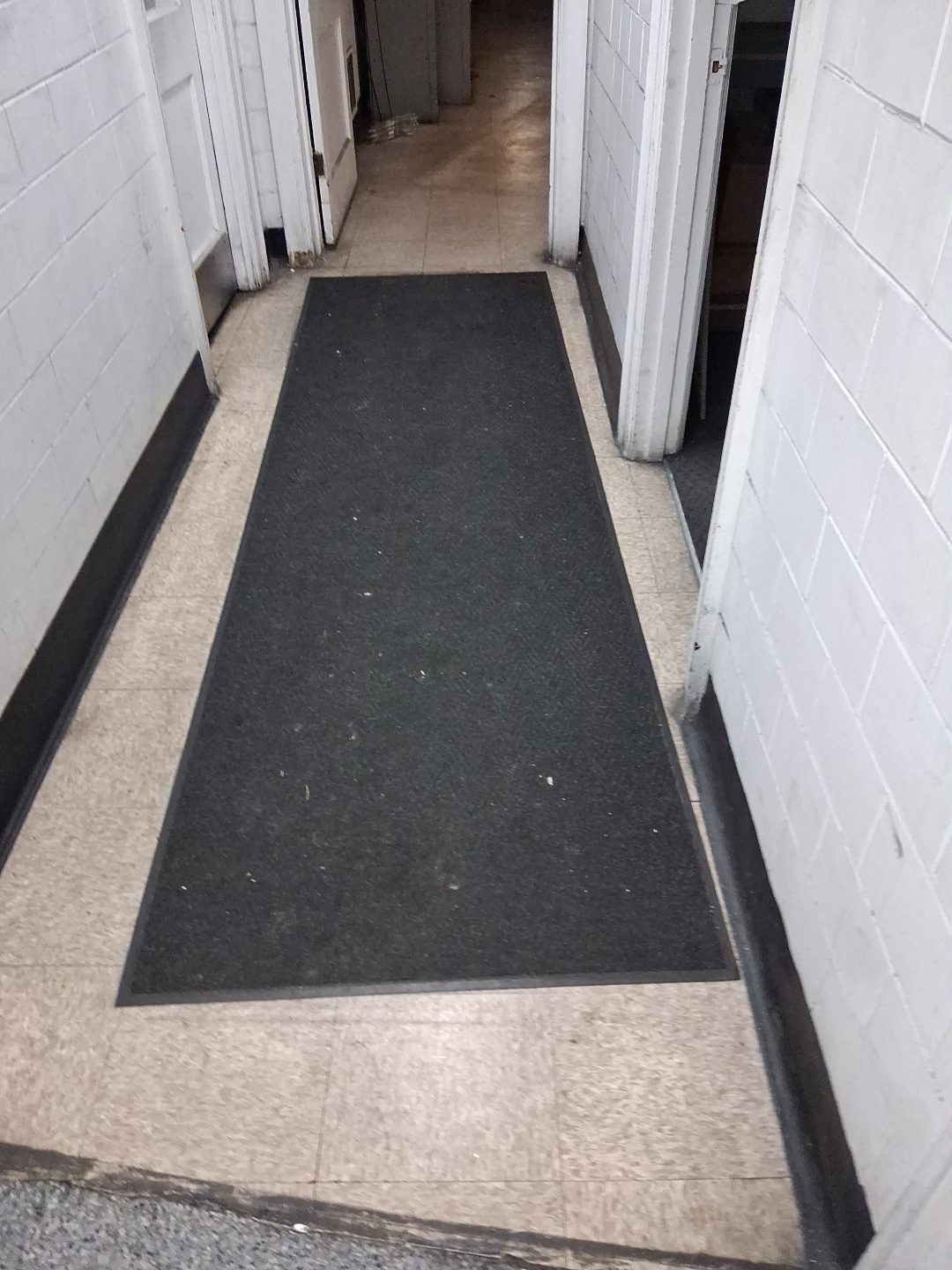
How long should the first contract run?
Keep the first term short. Our janitorial agreements start with an initial three to six month term, with thirty days' notice where stated in the approved agreement. That gives both sides room to be honest.
A short first term protects you in a way a long one cannot. If the scope was written too thin, it shows early.
It protects the vendor too. A building that turns out to be heavier than the walkthrough showed can be rescoped rather than under-served.
Once the scope has settled, any longer term is set out in the approved agreement. By then you renew a paper that spells out real work. Both sides know what that work takes.
New space, first contract
A new build or a fit-out needs a different first visit. Fine build dust keeps settling for weeks, and it can be in the ductwork by handover.
Book the build clean and the ongoing contract as two scopes. The first is a one-time reset. The second holds it.
There is a real edge in one vendor doing both. A vendor that cleaned the space at handover has a record of the floor types, the fixtures and where the dust hides. Our guide to cleaning a new build before move-in covers the three stages and how to order them.
One term is worth knowing here. VCT means vinyl composition tile, a hard floor common in schools, clinics and back rooms. It needs stripping and refinishing on a cycle. That cycle belongs on your project calendar, not in the nightly scope. Ask whether a vendor offers any specialty floor, high-access or daytime services your property requires.
Buildings we clean across Central Ohio
We clean offices, retail stores and small-business workplaces under an approved commercial or janitorial quote. The full radius is on our buildings we clean in Central Ohio page.
Buyers with more than one site should ask about travel between them before signing. Ask for the scope at each site, not just the closest one.
Common questions
What should be included in a commercial cleaning proposal?
A commercial cleaning proposal should identify the included areas and tasks, service frequency, scheduling, price, applicable contract term, documentation process and how quality concerns are reviewed. Available Rejuv Cleaning services, scheduling and specialty work are controlled by the approved commercial or janitorial quote.
How do I compare two cleaning bids that are priced differently?
Line them up before you compare totals. Check that both cover the same areas, then match how often each task is done. Finish with what is left out. Ask about floor refinishing, carpet extraction, high dusting, outside glass and supplies by name.
Should cleaning happen during business hours or after close?
After close for many offices, since work goes faster in an empty building and no one is pushed aside. Buildings with heavy daytime traffic often need a split. Nightly work runs after close, and a day porter covers restrooms, spills and doorways while the building is open.
What insurance and coverage should a commercial cleaning vendor carry?
Ask what documentation applies to the work and how current coverage is verified. General liability is a reasonable starting point. Rejuv Cleaning works with screened independent cleaning professionals, and each contractor is required to maintain their own applicable insurance coverage and provide current documentation before accepting assignments.
How do I hold a cleaning contractor accountable to the scope?
Put a written check on a set schedule and name who signs it. Score room by room, not by overall feel. Restrooms, entry glass, break rooms and floor edges are worth checking closely. Write down the escalation path too: callback time, who takes the call, and what happens if it repeats.
How long should a first commercial cleaning contract run?
Ours start with an initial three to six month term, with thirty days' notice where stated in the approved agreement. Any longer term that follows is set out in the approved agreement. A short first term shows early whether the scope was written right. It also lets a heavier building be rescoped rather than under-served.
Get a walkthrough and a scoped proposal
Send your building type, the areas you need covered and your current service nights. We'll walk the building and send a scoped bid you can put in front of your finance lead.
The bid shows the scope by room and how often each task is done. It gives one flat price for that scope. Call (614) 321-5989 or email info@rejuvecleaning.com to book the walkthrough. We work with screened independent cleaning professionals who are required to maintain their own applicable insurance coverage.