
Post-Construction Cleaning Services: Columbus Builder Guide
Post-construction cleaning can run in stages. A rough clean mid-build clears debris and dust so finish trades can work. A final detail clean takes the site to hand-off shape before the walkthrough. A touch-up before handover is an optional stage when the approved quote includes it. Rejuv Cleaning schedules around your certificate of occupancy date.
What is post-construction cleaning?
This is the work that turns a finished build into a space someone can accept. It is not a big house clean. The dirt is not the same, the tools are not the same, and the date is fixed.
A build leaves three things behind. Fine dust from drywall sanding and cutting. Sticky glue from labels, stickers and film. And debris, from offcuts down to screws in a window track.
Each one needs its own method. Dust is the hard part. It hangs in the air for days and lands after your crew has gone home. Our post-construction cleaning scope and stages page sets out what each stage covers.
One term first. A punch list is the written list of small items a builder still owes before hand-off. Most of the timing below turns on where that list stands.
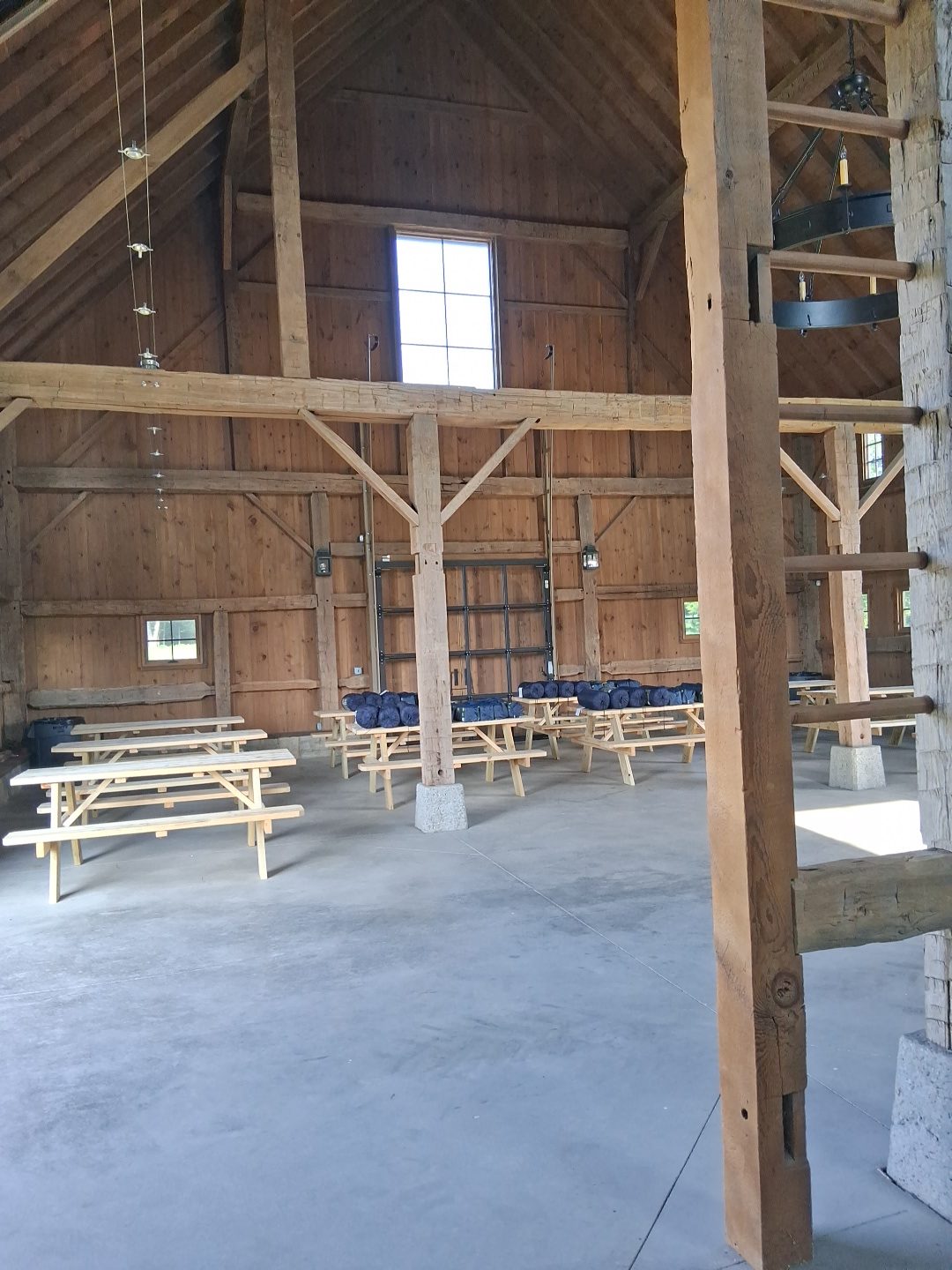
Rough, final and touch-up: the three stages
The approved quote identifies which project stages are included. Rough cleaning may occur mid-build, final detail cleaning may occur before a walkthrough, and a touch-up stage is included only when stated in the approved quote.
| Rough clean | Final clean | Touch-up clean | |
|---|---|---|---|
| When it happens | After drywall, paint and mechanical work, before finish trades | After the last trade leaves, before the walkthrough | After punch-list work, right before handover or move-in |
| Who calls it in | Site superintendent, often mid-build | Project manager, against the certificate of occupancy date | Superintendent or builder, close to handover, when the quote includes it |
| What it covers | Debris gathered to one point, floors swept and vacuumed, sills and ledges cleared, gross dust pulled off surfaces | Everything: windows and tracks, cabinets inside and out, appliances, fixtures, vent covers, restrooms, label and film removal, full floor care | Light dust, fingerprints, glass, entry floors and anything the punch-list trades disturbed |
| What it does not cover | Detail work, glass, fixtures — all of it gets dirty again | Debris hauling off site, hazardous material, work in areas still under active trade | A second full clean of areas nobody touched |
| Why it exists | Finish trades install faster and cleaner on a clear floor | This is the condition the client is buying | Dust settles for days, and punch-list work makes more of it |
The three stages, what each covers, and who calls it in. The approved quote states which stages a project includes.
A touch-up is easy to cut from a budget. That can be a false saving. Clean a site to hand-off standard too early, and it will not look clean on the day.
When should the final clean be scheduled?
The final clean should occur after dusty trades are complete and close enough to handover that the site can remain clean. The approved quote and project schedule control the exact timing.
Too early, and dust lands back over the work. Too late, and there is no room to fix what the clean turns up.
The trades that matter are the ones that cut or sand. Drywall work, trim carpentry, tile cutting and floor laying all put fine dust in the air. If any of those are still running, the final clean is too early, whatever the calendar says.
Give us your certificate of occupancy (CO) target when you book. We work backwards from that date, not the clean date. A certificate of occupancy is the city sign-off before a building is used. Your local building department sets what it takes to get one.
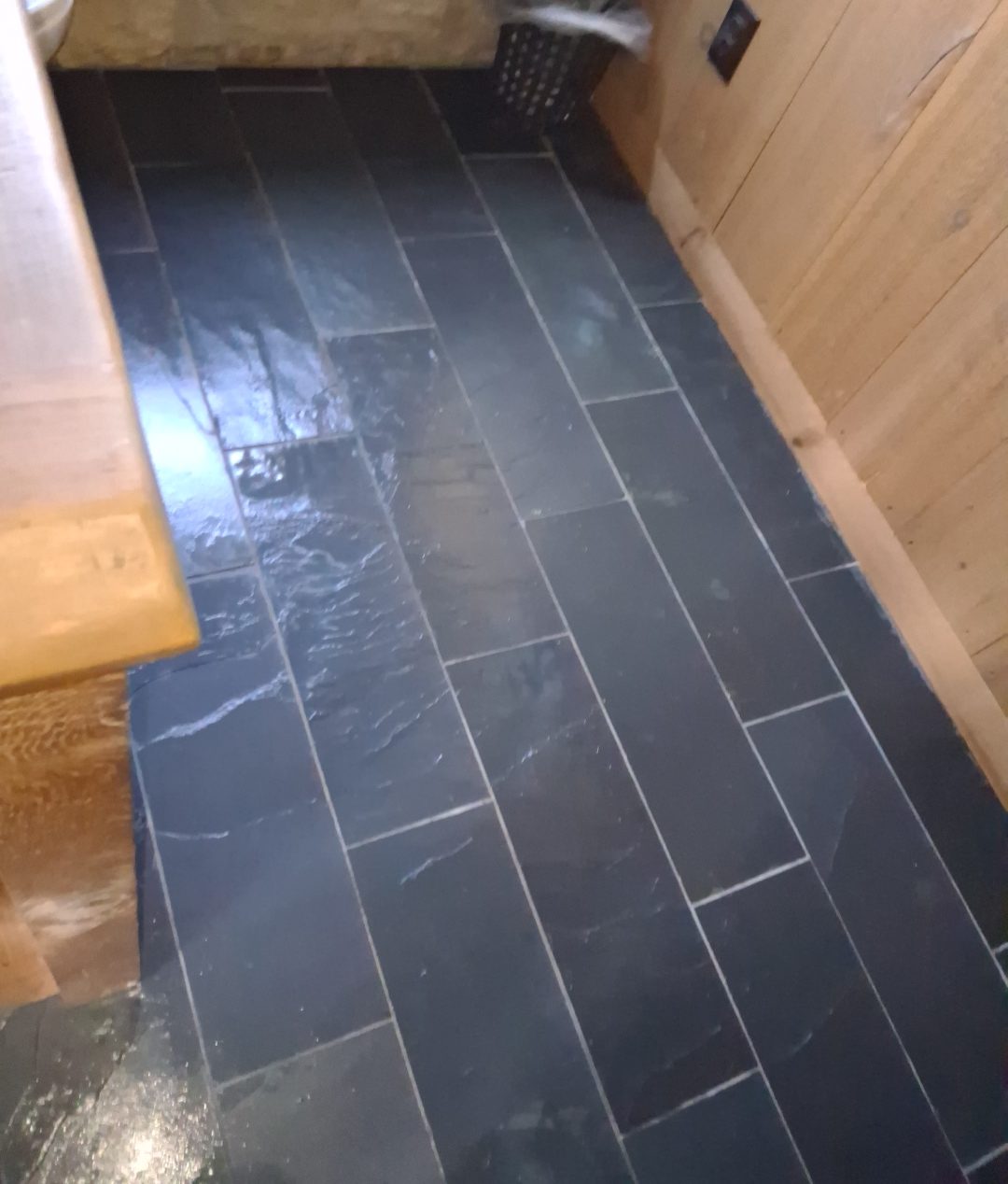
Why drywall dust comes back after the clean
This is a familiar frustration on new builds, and it is not a cleaning failure. It is physics, and there is a fix.
Drywall dust is very fine. Bits that small stay in the air for hours and keep landing for days. They travel too, and can end up in the ductwork.
Four things keep it from coming back:
- Finish the sanding before the final clean. No method beats a live sander in the next room.
- Vacuum with a filter fine enough to hold construction dust. A vacuum used for fine construction dust should have filtration appropriate for that material. A coarse filter can pass the finest dust back into the room.
- Damp-wipe surfaces, do not dry-dust them. Dry dusting throws fine dust in the air, and it lands again an hour later.
- Change the HVAC filter after the final clean, not before. Dust pulled into the return on a build sits in the system. It blows back out on the first warm day.
We work top down for the same reason. Ceilings, fans and vent covers first, then walls and fixtures, then floors last.
Stickers, labels and protective film
Yes, this is part of a final clean, and it can take longer than the plan allows.
New windows, appliances, fixtures, tubs and cabinets all ship with labels or film. Film is the thin plastic sheet put on at the plant to stop scratches in transit. Left in the sun too long, the glue bakes on and gets much harder to lift.
That is worth knowing when you book. Film left on south-facing glass through a hot spell bakes on and takes far longer to lift safely. If a build has been sitting, tell us and we will scope it.
Coated glass needs care. Many new windows have a low-E coat, a thin layer on the glass that reflects heat, and a razor blade can scratch it for good. Film and label removal is done with methods suited to the surface, which takes longer and leaves the coat intact.
Who is responsible for hauling debris?
Short answer: disposal is the builder's, and the approved quote controls what cleaning includes.
Ordinary installation debris can be included when it is listed in the scope: bagged, carried out and loaded in your on-site dumpster. Off-site hauling is not automatically included, and hazardous items are not handled as ordinary cleaning. Paint, solvents, glues, fluorescent tubes and anything sealed for disposal stay with the trade that brought them.
That line matters for two reasons. Hauling and disposal are a trade of their own, apart from cleaning. And a dumpster that leaves early turns a final clean into a storage problem.
Keep the dumpster on site through the final clean. It is an easy timing miss on a build.
Can you work around trades still on the punch list?
Yes, when the remaining work is low-dust. The question is what it costs you in rework.
It works when the items left are low-dust. Paint touch-ups, hardware swaps, caulking and fixture installs are all fine.
It does not work when the items left cut, sand or grind. Those put the whole space back where it started, and you pay twice.
Our rule is simple. We can clean around trades, but we cannot clean ahead of a sander. If your punch list still has dusty work, we set the final clean after it. If a touch-up is included in the approved quote, it is scheduled close to handover after the remaining punch-list work.
See finished work in our gallery.
What the site needs ready before we start
A build clean turns on site conditions more than a house clean does. A few quick checks before work starts save a wasted trip.
Utilities and systems
Power on, with lights that work in each space to be cleaned. Water on, with at least one live tap in the building. HVAC running with a filter in place, so it is not pulling dust through bare ducts.
Access and site conditions
Clear access to the building and a place to park the van. Lockbox codes or a site contact. The dumpster still on site. And floors clear of trade stock, since we clean surfaces, we do not move other people's goods.
Tell us the square footage and the stage you are booking. For the nuts and bolts of how any job gets scoped, how cleaning jobs are priced covers the method.
After occupancy: from final clean to ongoing service
On commercial builds, hand-off starts the building's cleaning life. It does not end it. The scope that keeps a new lobby looking new is not written like a one-time clean.
A commercial account can start as a final clean and stay on as ongoing commercial cleaning after occupancy. The gain is knowledge. A provider that cleaned the building at hand-off has a record of the floor types, the fixtures and where dust hides.
Fine build dust keeps turning up for weeks in a new building. A first month of service catches what lands after your crew is long gone.
Job sites we cover
We work across the Columbus metro and the build-out belts around it. That takes in the job sites we cover across Central Ohio, from downtown infill to new tracts in the suburbs.
We serve New Albany and Delaware County, among the areas on that list.
Common questions
What is the difference between a rough clean and a final clean?
A rough clean runs mid-build, before finish trades. It clears debris, sweeps and vacuums floors, and pulls heavy dust off surfaces so installers can work. A final clean runs after the last trade leaves. It takes the site to hand-off shape: windows, cabinets, appliances, fixtures, labels, vent covers and full floor care.
How long before handover should the final clean be scheduled?
After dusty trades are complete, and close enough to handover that the site can remain clean. The approved quote and project schedule control the exact timing. Too early, and dust lands back and undoes the work. Give us your CO target and we work backwards from that date.
Do you remove stickers, labels and protective film from windows and fixtures?
Yes, on the final clean. Windows, appliances, tubs, fixtures and cabinets all ship with labels or film. Taking it off is part of the scope. Removal is done with methods suited to the surface, since a razor can scratch the low-E coat on new glass for good.
Who is responsible for hauling construction debris off the site?
The builder is responsible for disposal. Ordinary installation debris can be included when the approved quote lists it: bagged, carried out and loaded in your on-site dumpster. Off-site hauling is not automatically included, and hazardous items stay with the trade that brought them. Keep the dumpster on site through the final clean.
Can you work around trades that are still finishing punch-list items?
Yes, when the work left is low-dust: paint touch-ups, hardware, caulking and fixture installs. It does not work around cutting, sanding or grinding. That puts the space back where it started, and you pay twice. In that case we set the final clean after the dusty work.
How do you keep drywall dust from returning after the clean?
Four things. Sanding ends before the final clean. The vacuum has to hold fine dust rather than pass it back into the room. Surfaces get damp-wiped, not dry-dusted. And the HVAC filter is changed after the clean. Dust pulled into the system on the build then cannot blow back out.
Book the clean around your handover date
Send your CO target and your square footage, or talk to us about your handover date direct. Either way, we book the final clean around your punch list, with an optional touch-up close to handover, when your quote includes it, so the walkthrough lands on a clean site.
Call (614) 321-5989 or email info@rejuvecleaning.com to book. Rejuv Cleaning works with screened independent cleaning professionals.